

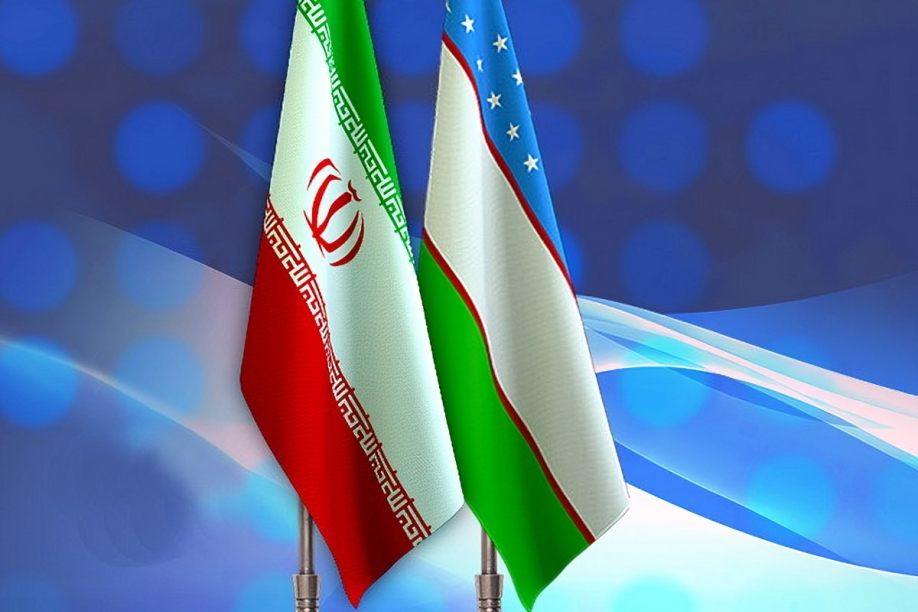
The Iranian Steel Producers Association and the Uzbekistan Metallurgy Association have signed a memorandum of understanding (MoU) aimed at strengthening cooperation in the iron and steel industry.
“The agreement covers a wide range of economic, industrial, and educational areas, including long-term cooperation in raw material and product supply, experience-sharing, joint participation in industrial projects, planning and collaboration on specialized training in the iron and steel value chain through the Iranian Steel Academy, expanding industrial cooperation, and strengthening positions in regional and global steel markets”, Iran News Daily reported on August 27.
The MoU also includes provisions for holding joint events such as conferences, exhibitions, and industrial forums to exchange knowledge and expertise; conducting joint studies on decarbonization and energy efficiency in ferrous metallurgy; cooperating in exports and imports of products and promoting shared logistics routes; as well as collaboration in providing and analyzing statistical data, market research, forecasts, and supply chain studies.
During the signing ceremony, Bahram Sobhani, chairman of Iran’s Steel Producers Association, said that Iranian steelmakers and engineering firms are ready to meet industrial and mining needs across the region, particularly in Uzbekistan.
For her part, the head of the Uzbekistan Metallurgy Association, Gulbahor Tojimirzayeva, introduced the Uzbek association’s 17 members and described the country’s steel industry as rapidly developing, calling for the transfer of Iranian expertise and know-how to Uzbekistan.
She said that Uzbek companies planned to purchase 300,000 tons of Iranian steel by the end of this year, adding that Uzbekistan could also host Iranian-built steel plants, with both sides ready to sign cooperation agreements.
The head of the Iranian Mines and Mining Industries Development and Renovation Organization (IMIDRO) and a deputy industry minister, Mohammad Aghajanlou, pointed to Iran’s experience in building a sponge iron plant in Kazakhstan and said Iranian firms were prepared to export technical and engineering services to Uzbekistan.
He said that IMIDRO and its subsidiaries could export steel chain products, as well as copper and aluminum, and added that Iran has the capacity to produce 50 million tons of steel annually and export more than 10 million tons using domestic technology.
In early June, Iran’s northern Mazandaran province opened a trade center in Uzbekistan’s capital city, Tashkent. Back in early February, the head of the Iran-Uzbekistan Joint Chamber of Commerce had announced the establishment of a permanent sales office for Iranian food industry products in Tashkent, Uzbekistan, while citing FATF-related restrictions as the biggest obstacle to trade between the two countries.
During an Iran-Uzbekistan Business Forum in Tehran, in mid-May, the head of Iran Chamber of Commerce, Industries, Mines and Agriculture (ICCIMA) Samad Hassanzadeh, said the current trade volume – nearly $500 million – does not reflect the true potential of the two countries, and stressed the need to raise bilateral trade to $1 billion and called on Uzbekistan to waive visa requirements for Iranian nationals to facilitate travel and business.
He emphasized the strategic importance of Iran’s geographical location through its North-South and East-West transit corridors and invited Uzbek investors to participate in the International North–South Transit Corridor (INSTC) and Makran coastal development projects.
During the 16th session of the Iran-Uzbekistan Joint Economic Committee held in May, Iran’s Minister of Industry, Mining and Trade Mohammad Atabak called for a “fundamental transformation” and proposed drafting a practical roadmap to achieve the $2 billion trade target.
Over the past five years, the number of joint Iranian-Uzbek companies has increased 2.5 times, reaching 261. These businesses operate in sectors including construction, petrochemicals, food production, agriculture, and building materials. In 2024, bilateral trade volume stood at $500 million.

