

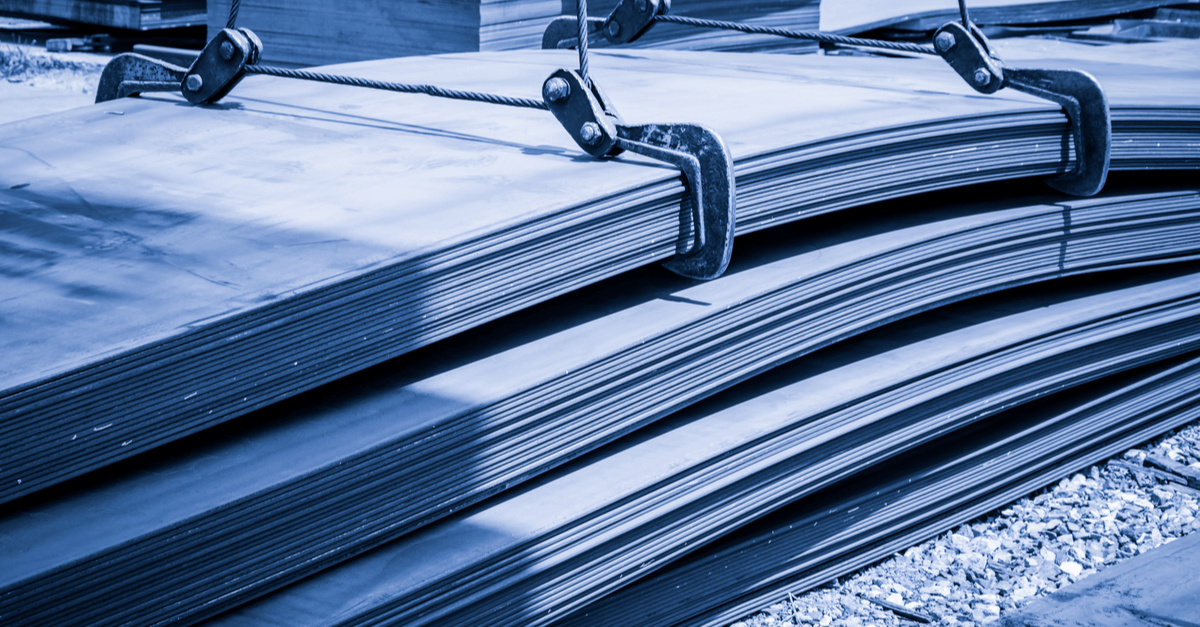
The Iranian government has officially lifted the temporary export restrictions on steel slabs and certain types of flat steel products, which had been in place until May 30. As the government has not announced an extension of the limits, the ban on exporting these products abroad is considered to have been lifted. This move revokes the previous regulatory measures, which were introduced to prioritize meeting domestic demand and stabilizing prices in the national market, allowing Iranian steelmakers to fully resume international shipments of key steel products.
Representatives of Iran’s steel industry have unanimously welcomed the lifting of the restrictions. They emphasize that artificial export barriers significantly reduced companies’ competitiveness, limited producers’ access to global markets, and substantially reduced the country’s foreign exchange earnings.
According to market participants, slabs and flat steel products account for the lion’s share of Iran’s total steel exports and are a critically important source of revenue for maintaining the profitability of local enterprises. It is expected that the reopening of borders will significantly improve commercial opportunities for steel mills, which are currently operating amid serious challenges in the country’s industrial sector.
Iranian authorities have noted that the decision to lift the ban was taken following careful monitoring of the situation in the domestic market. The authorities are now convinced that resuming exports at previous levels will not create a shortage or threaten the supply of local consumers and the construction sector.
At the end of April, Iran temporarily suspended exports of a number of steel products until May 30, 2026. The list of products whose export was temporarily banned included steel slabs, hot-rolled and cold-rolled sheet, tinplate, galvanized sheet, coated steel, painted sheet, and strip.

