

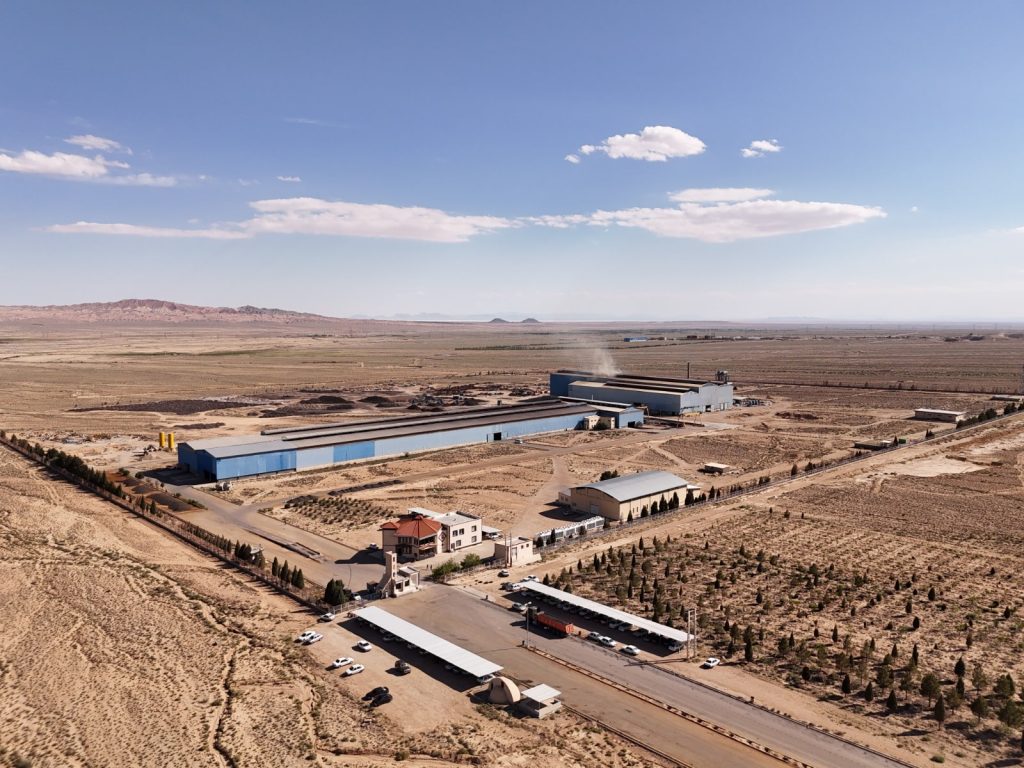
Iran’s steel industry, a cornerstone of its economic development, is pivotal for construction, industrial growth, and infrastructure projects. Blessed with abundant iron ore reserves and substantial production capacity, Iran is a major player in the regional steel market. This article analyzes the current landscape, challenges, opportunities, and future prospects shaping the industry.
Currently, Iran ranks tenth globally with an annual crude steel production exceeding 30 million tons. The foundation of this industry lies in its four significant iron ore mines: Chadarmalo, Golgohar, Sangan, and Choghart, which supply raw materials critical for steel production. In 1402 (Iranian calendar), steel contributed 12% to Iran’s non-oil exports, highlighting its growing economic significance.
However, several challenges could impact future growth. International sanctions restrict access to advanced steelmaking technologies and limit exports, particularly to European markets. The industry’s high energy consumption—accounting for 7% of the nation’s natural gas use—necessitates investment in more energy-efficient technologies. Additionally, Iran faces stiff competition from global manufacturers, especially China and India, who benefit from lower production costs.
Despite these challenges, promising opportunities exist. Iran aims to expand exports to neighboring countries and emerging markets in Africa, capitalizing on increased construction activity in these regions. The industry is shifting toward producing high value-added products such as industrial sheets, alloy steels, and finished items like pipes and profiles. Optimizing production through electric arc furnace technology and promoting green steel production by recycling scrap are priority strategies.
Looking ahead, Iran’s steel production is projected to grow by 5% annually through 2025, with export volumes expected to reach 15 million tons per year. Emphasis on high-tech, value-added products will help reduce dependence on raw material exports and enhance competitiveness.
In conclusion, while facing external pressures and operational hurdles, Iran’s steel industry holds robust potential to become a regional hub. Companies like Shahrood Steel, by investing in advanced technologies and quality improvements, are well-positioned to expand both domestic and international market shares, securing a strong future in the global steel arena.

