

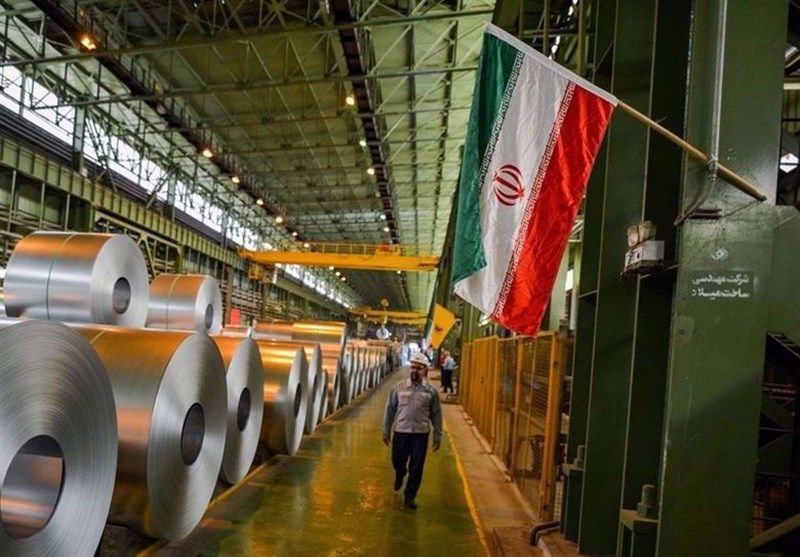
The Iranian steel sector has entered a period of dynamic changes and challenges from 1404 onward, navigating both global pressures and domestic economic factors. Iran’s steel production capacity and market are shaped by national industrial policies, investment trends, and the evolving global steel market dynamics.
Overview: In recent years, Iran has been among the top steel producers in the Middle East and globally, with production volumes exceeding 25 million tons annually. The steel industry remains a critical pillar of Iran’s economy, contributing decisively to employment, export revenues, and industrial development.
Key Trends and Challenges:
– Production Growth: Iran plans to increase crude steel production steadily toward a target of 55 million tons in the next few years, supported by new industrial projects and infrastructure development.
– Export Expansion: Export markets continue to be vital, with Iran aiming to diversify its steel export destinations beyond traditional neighbors.
– Supply Chain: Raw material supply, especially iron ore and intermediate products, faces logistical and market challenges, requiring strengthening domestic mining and mineral industries.
– Sanctions Impact: International sanctions have pressured the steel sector but have also fostered a push toward self-reliance, local production, and technological innovation.
– Environmental Concerns: The industry is gradually adapting to cleaner, more sustainable steel production methods in line with global environmental standards.
Market Performance:
The years 1404 to 1406 are expected to see volatility in steel prices due to global economic factors, yet Iran’s domestic demand for steel, driven by construction, infrastructure, and industrial projects, is forecast to grow steadily.
Role of Policy and Investment:
Government policies related to national development, mining reforms, and support for strategic industries aim to stimulate investment in steel production facilities and related downstream industries.
In summary, Iran’s steel industry in 1404-1406 faces external and internal pressures but shows significant potential for growth through investment, improved supply chains, and adaptation to global market demands, supporting its role as a regional steel hub.

