

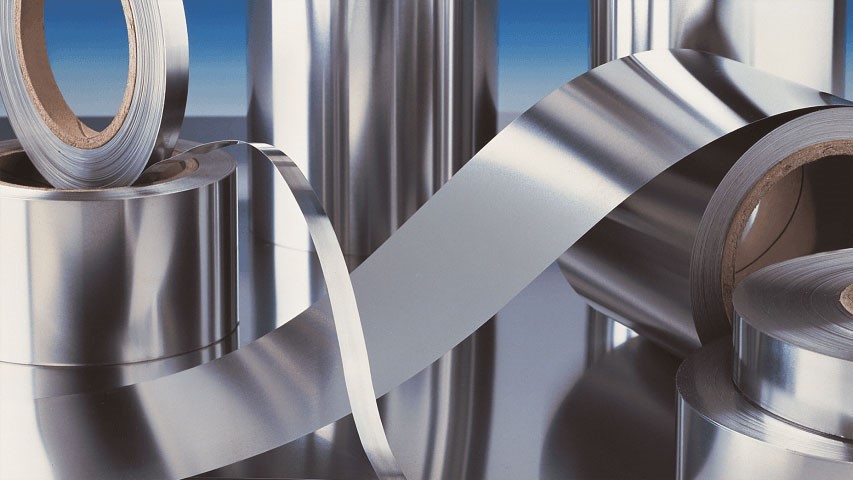
The steel and stainless steel industry, long recognized as a driving force of the Iranian economy, is poised at a critical juncture as it approaches the Iranian calendar year 1405 (2026-2027). Navigating through currency fluctuations, seasonal energy shortages, and shifting global market dynamics, the future of this vital sector is increasingly dependent on strategic decision-making and integrated management. This report provides a comprehensive analysis of the current state and future outlook for Iran’s steel industry in the year 1405.
The Strategic Importance of Steel in Iran’s Economy
In Iran, steel is more than just an industrial commodity; it is a key indicator of development. This strategic material fuels a vast chain of downstream industries and plays an irreplaceable role in GDP growth and job creation.
- The Primary Driver of the Housing and Construction Sector
The health of Iran’s housing market is directly tied to the price and availability of steel products. From rebar and beams to sheets used in modern construction, any fluctuation in steel prices directly impacts construction cost calculations and, ultimately, final housing prices. Therefore, stability in the steel market is a prerequisite for stability in the real estate sector. - The Backbone of Transportation and Logistics Infrastructure
Major national infrastructure projects—from railways and bridge construction to port development and transportation fleets—are virtually impossible without high-quality steel products. Consistent steel production ensures the timely execution of these national projects and reduces long-term infrastructure maintenance costs. - A Vital Artery for the Oil, Gas, and Energy Industries
The oil, gas, and petrochemical sectors are major consumers of alloy steels and stainless steel. Pipelines, pressure vessels, and refinery equipment all require high-strength, corrosion-resistant steel. Consequently, any disruption in steel production or a spike in its prices directly impacts the cost and timelines of the country’s crucial energy projects. - An Engine for Non-Oil Exports and Foreign Currency Revenue
In recent years, steel has become a cornerstone of Iran’s non-oil export portfolio. The competitiveness of Iranian steel products in target markets across Asia and Africa depends on consistent quality, competitive pricing, and uninterrupted production. Strengthening steel’s export position can serve as a significant source of foreign currency for the country.
Production Capacity vs. Structural Hurdles
Possessing rich iron ore reserves and a skilled workforce, Iran has established itself as a major regional steel producer. However, fully realizing the country’s potential has consistently faced obstacles. In the year 1405, the utilization of these capacities will hinge on several factors:
- Managing the Energy Imbalance:Electricity shortages in the summer and natural gas curbs in the winter remain the most significant challenges for producers.
- Raw Material Supply and Logistics:Ensuring a stable supply of production inputs and maintaining efficient transportation are critical for a healthy supply chain.
Major Challenges Facing the Steel Industry in 1405
Looking at current trends, Iran’s steel industry will grapple with three fundamental challenges in the coming year:
- The Energy Crisis and Production Stoppages:Frequent power and gas outages not only disrupt production schedules but also increase overhead costs and equipment depreciation.
- Currency Volatility and Pricing Pressure:Dependence on imported equipment and certain raw materials means that currency fluctuations are quickly passed on to final product prices, disrupting market stability.
- Erratic Trade Policies:The imposition of variable export duties and interventionist pricing policies create uncertainty for both domestic sales and export planning, ultimately diminishing investment incentives.
The Impact of Global Market Fluctuations on Iran
The global steel market in 2026 will be significantly shaped by China’s production policies and India’s growing output. A demand slowdown in major economies or rising global energy and freight costs can directly impact the competitiveness of Iranian steel in export markets. Under these conditions, maintaining market share requires optimizing production costs and continuously improving product quality.
The Role of the Supply Chain in Industry Stability
The stability of the steel industry is not solely dependent on large smelting and rolling mills. Specialized companies active in the supply chain, particularly in the distribution of stainless steel products, play a vital role in creating market transparency and mitigating risks associated with price volatility. The activity of specialized distributors, such as Poushesh Steel Pargas in the stainless steel supply chain, highlights how crucial cohesion between upstream and downstream sectors is for the overall health of the industry.
Outlook for 1405: Two Plausible Scenarios
The outlook for Iran’s steel industry in the year 1405 can be envisioned through two distinct paths:
- The Optimistic Scenario (Sustainable Growth):In this scenario, stability in macroeconomic policies, efficient management of energy resources, and the removal of export barriers allow the steel industry to embark on a path of balanced growth. Idle capacities are brought back online, and the export share expands.
- The Realistic Scenario (Persistent Challenges):In this path, the continuation of energy constraints and instability in trade regulations prevent the steel industry from operating at full capacity. The focus will then shift to enhancing productivity, reducing costs, and identifying new niche export markets as the key to survival.
Summary and Conclusion
As it stands on the threshold of the year 1405, Iran’s steel and stainless steel industry finds itself at a decisive crossroads. Possessing immense potential in terms of resources and skilled labor on one hand, it is simultaneously entangled in deep-seated structural challenges on the other. Successfully navigating this critical period demands a national commitment to resolving the energy imbalance, reforming trade policies, and strengthening the entire supply chain. The future of this industry will, in many ways, shape the future of Iran’s industrial development.

